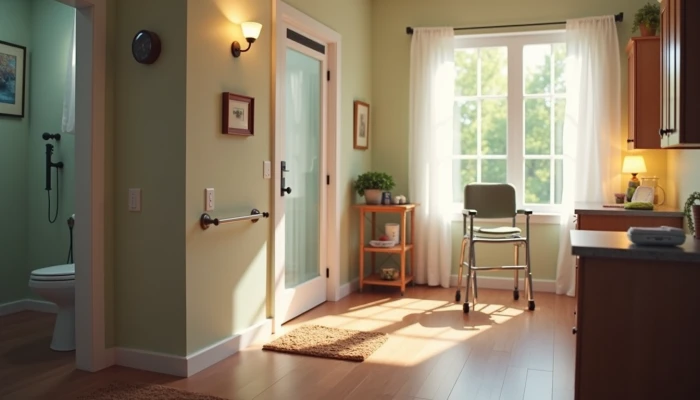
A Simple 7-Point Home Checklist to Lower Fall Risk for Older Adults
Falls at home are a common concern for older adults and the people who help them. The good news is that fall prevention does not have to start with a major renovation or an overwhelming to-do list.
A calmer approach often works best: look at the home one area at a time, fix the most obvious hazards first, and ask for professional input when a problem goes beyond basic home safety.
This guide uses a 7-point home safety checklist to support aging at home decisions in a practical way. It focuses on source-backed fall prevention strategies, avoids one-size-fits-all claims, and keeps the goal realistic: lowering risk, improving confidence, and making the home easier to move through safely.
Use this quick checklist to decide where to start.
| Checklist point | What to look for |
|---|---|
| 1. Home environment | Clutter, loose rugs, uneven flooring, blocked walkways |
| 2. Bathroom safety | Slippery surfaces, missing grab bars, hard transfers |
| 3. Kitchen and living areas | Reaching, crowding, poor layout, hard-to-see thresholds |
| 4. Stairs and floors | Missing handrails, slick steps, trip edges |
| 5. Lighting and visibility | Dark hallways, nighttime bathroom routes, glare |
| 6. Mobility support | Poorly fitted devices, unsafe use, mismatch with home layout |
| 7. Ongoing review | New hazards, changing mobility, need for expert assessment |
Assessing Your Home Environment for Fall Hazards
Start with the walking paths used every day: from bed to bathroom, front door to kitchen, and living room to hallway. Practical home safety guidance consistently emphasizes that clear, predictable paths matter because many falls happen during ordinary movement, not unusual activity.
Look for hazards that are easy to miss because they have become part of the routine.
- Loose throw rugs
- Electrical cords across walkways
- Small furniture that narrows a path
- Shoes, baskets, or pet items left on the floor
- Uneven flooring or curled carpet edges
Lighting also belongs in this first review. Hallways, entryways, and stair landings should be bright enough to show edges and obstacles clearly. If a space feels dim during the day or especially at night, it deserves attention.
A simple way to work through a home safety checklist for elderly parents is to stand in each doorway and ask: Can someone walk through this space without stepping around objects, guessing where the floor changes, or reaching for support that is not there?
If the answer is no, begin with the easiest fixes first. Remove clutter, se rugs if they cannot be removed, and rearrange furniture so the main route through the room is wide and direct.
Improving Bathrooms for Safety
Bathrooms deserve special attention because they combine water, hard surfaces, tight spaces, and frequent transfers. For many families, this is the first room to address in a fall prevention plan.
For bathroom safety for seniors, focus on stability during the moments when balance is most challenged: stepping into the tub or shower, standing up from the toilet, and turning in a wet space.
Key improvements include:
- Grab bars near the toilet
- Grab bars in the shower or tub area
- Non-slip mats or adhesive strips on wet surfaces
- A stable seat or shower chair when standing for bathing is difficult
- Easy-to-reach soap, towels, and toiletries
Grab bars should be professionally selected and installed when needed, especially if wall support is uncertain. Towel bars are not the same thing and should not be treated as weight-bearing supports.
Some households also consider larger changes, such as a lower-threshold shower or walk-in tub. Those changes may help in some homes, but they are not the first step for everyone. Start by reducing slipping and making transfers more se, then decide whether a larger modification is worth the cost and disruption.
If bathing already feels unsafe, rushed, or exhausting, that is a good point to ask an occupational therapist or qualified home safety professional for guidance.
Optimizing Kitchen and Living Area Layout
Living rooms and kitchens often look safe at first glance, but they create risk when daily tasks involve twisting, carrying, bending, or reaching above shoulder height.
The goal is not to make the home look clinical. It is to make common tasks simpler and more stable.
Try this room-by-room layout check.
- Store frequently used dishes, food, and tools between waist and shoulder height
- Keep walking paths open between counters, table, chairs, and seating areas
- Avoid low tables or decorative items that are easy to bump into
- Place commonly used devices, remotes, and phones within easy reach
- Make thresholds and step-downs easier to see with contrast where appropriate
In the kitchen, overreaching is a common problem. If someone regularly uses a step stool, climbs on a chair, or stretches to reach daily items, reorganizing storage may reduce risk more than buying new equipment.
In living areas, watch for crowded furniture arrangements. A room should allow someone to turn, sit, and stand without squeezing sideways or using unstable objects for support.
This part of an aging parent checklist is especially helpful after a hospitalization, illness, or noticeable change in strength, because the layout that once worked may no longer fit current mobility.
Staircase and Floor Safety Modifications
Stairs and floor transitions can be challenging even for older adults who move well on level ground. Small changes here can make daily movement feel more predictable.
Priority checks include:
- Handrails on both sides of the stairs when possible
- Se, even stair surfaces
- Non-slip treads if steps are slick
- Good lighting at the top and bottom of the stairs
- Clear landings with no stored items
Throughout the home, pay attention to floor changes such as thresholds, sunken rooms, and single steps between spaces. These are easier to miss than a full staircase and can still cause trips.
For someone with more significant mobility limitations, ramps or stair lifts may become part of the conversation. Those options should be evaluated carefully based on the home layout, the person’s abilities, and installation requirements. They can be useful tools, but they are not simple DIY projects and should not replace a broader safety review.
If stairs are already being avoided, used only with difficulty, or navigated by pulling on walls or furniture, that is a sign to get professional input rather than waiting for a fall to happen.
Enhancing Lighting and Visibility
Good lighting supports safer movement, especially during nighttime bathroom trips, early mornings, and transitions between bright and dim rooms.
Many home safety guides recommend improving visibility in the places where people move half-awake or in a hurry. That includes hallways, stairs, bathrooms, and entrances.
A practical lighting plan can include:
- Nightlights between the bed and bathroom
- Motion-sensor lights in hallways or entry areas
- Even overhead lighting in kitchens and living spaces
- Task lighting near reading chairs, medication areas, or work surfaces
- Window coverings that reduce glare without making rooms too dark
Brighter is not always better. Harsh glare can make depth and edges harder to judge. Aim for lighting that is even and comfortable, with fewer sharp shadows.
Also check whether light switches are easy to reach from entrances and bedside areas. If someone has to cross a dark room before turning on a light, the setup needs improvement.
This is often one of the most cost-conscious changes families can make, and it can be done gradually as part of a larger senior home safety plan.
Supporting Mobility with Assistive Devices
Mobility aids can help some older adults move more safely, but only when the device fits the person and the home. A cane, walker, or rollator that is poorly fitted or used incorrectly can create new problems instead of solving old ones.
A few practical questions can help guide the discussion.
| Question | Why it matters |
|---|---|
| Is the device the right height? | Poor fit can affect posture and balance |
| Is there enough room to use it indoors? | Tight spaces may make safe use harder |
| Does the person know when to use brakes or supports? | Technique matters, especially with rollators |
| Are thresholds, rugs, or bathroom entrances blocking movement? | Home setup and device choice work together |
If a mobility aid is being considered for the first time, or if falls have happened despite using one, involve a healthcare provider, physical therapist, or occupational therapist. They can help match the aid to the person’s strength, balance, and daily routines.
It is also important to remember that mobility devices do not eliminate fall risk. They work best alongside home modifications, safer footwear, and realistic activity planning.
Regular Home Safety Reviews and Professional Consultation
Fall prevention is not a one-time project. Needs change over time, especially after illness, surgery, medication changes, vision changes, or a noticeable drop in confidence while walking.
A simple review schedule can help families stay ahead of new hazards.
- Walk through the home every few months.
- Recheck high-risk areas after any health change.
- Ask whether daily routines now involve more reaching, rushing, or support from furniture.
- Update the checklist if a new device, caregiver, or room setup is added.
Professional help can be especially useful when the right next step is unclear. Occupational therapists and qualified home safety professionals can identify risks that families may overlook and suggest changes that match the person’s actual routines.
Caregivers should be part of the review whenever possible. They often notice patterns such as near-falls, unsafe transfers, or nighttime navigation problems that are easy to miss during a short visit.
If there has already been a fall, repeated near-falls, or a sudden change in walking ability, home changes alone may not be enough. That is a strong reason to seek medical evaluation and a more complete fall risk assessment.
Conclusion
A safer home usually comes from steady, practical changes rather than one dramatic fix. Clear walkways, better bathroom support, improved lighting, safer stairs, and a layout that matches current mobility can all contribute to lower fall risk.
The most useful mindset is ongoing review. As needs change, the home may need to change too. That is how many families support independence while also respecting comfort, budget, and personal preferences.
If you are not sure where to begin, start with the 7-point checklist in this guide and address the most obvious hazards first. Then bring in qualified professional help for anything that involves complex mobility needs, major home modifications, or repeated falls.